Skip to content
- by Progressive 18

What to Wear in Snowfall
The ideal casual wear for cold weather is composed of 3 layers: the base layer that wicks moisture away from the body, the mid-layer for insulation (fleece and wool), and the outer layer that can resist the wind and is waterproof (puffer and parka jacket), as well as socks and winter shoes with good grip and accessories such as a cap and gloves.
Winter clothing is about fashion, heat retention, dryness, and mobility. It is quite challenging to be in the snow when it is falling, as this brings wind, moisture, and slippage to the environment, meaning the clothes should be able to shield you from such conditions yet be able to be worn comfortably.
Quick Winter Outfit Checklist
Use this when packing or dressing for a snowy day:
-
Base layer: thermal/innerwear (moisture-wicking)
-
Mid layer: sweatshirt/hoodie/sweater (insulation)
-
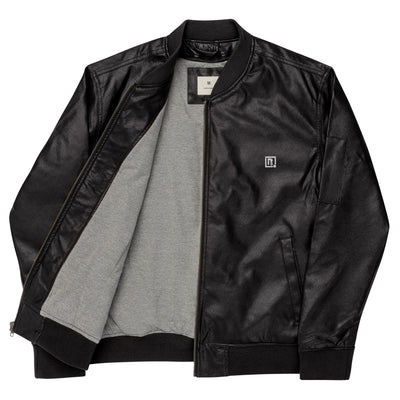
Outer layer: winter jacket (wind + snow protection)
-
Bottoms: thicker pants + optional thermal leggings
-
Footwear: insulated shoes/boots with grip
- Accessories: beanie, scarf, gloves, sunglasses
1) Know Your Weather Before You Dress
Best materials to be used during winter:
-
Wool / Merino wool: warm, breathable
-
Fleece: lightweight insulation for casual wear
- Good quality blends should be durable and easy to maintain
Do not: wear thin cotton as the sole mid-layer material in snowfall (it can be cool if wet).

2) Layering (the core tactic)
Layering works because it traps heat but allows you to adjust as conditions change.
The 3-Layer System
| Layer | Purpose | Best picks |
| Base | Keeps skin dry + warm | thermals, fitted full sleeves |
| Mid | Retains body heat | hoodie, sweatshirt, wool sweater |
| Outer | Blocks wind/snow | puffer, parka, winter jacket |
-
Mid-layer warmth: Women’s hoodies
- Cozy insulation: Women’s sweatshirts
3) Choose Warm Materials (without overheating)
Best winter-friendly materials:
-
Wool / Merino wool: warm and breathable
-
Fleece: light-weight material for casual garments
- Quality blends: durable and low maintenance
Do not use: thin cotton as the sole mid-layer in snowfall (which may be chilly if wet).
4) Windproof + Water-Resistant Outerwear
Snowfall conditions include moisture or wind chill. Your clothing should:
- block the wind
- resist light snow/wet surfaces
- enable movement (not stiff)
- Women's snowfall outerwear: Women's winter jackets
- Men’s cold-weather layering: Men’s winter jackets
- Versatility in outerwear: Men’s jackets
- Wind protection layer: Men’s windcheaters
5) Bottoms + Footwear for Snowfall
Bottoms
- thicker trousers / denim
- add thermal leggings underneath on colder days
- consider insulated pants if you’ll be outdoors for hours
Footwear
Choose footwear with:
- traction (grip for ice)
- insulation (warmth)
- water resistance (for slush)
Add thick socks for comfort and warmth.
6) Accessories that complete the outfit
These are not “optional” in real cold:
- beanie/cap (heat loss control)
- scarf (neck protection)
- gloves/mittens (hand warmth)
- sunglasses (snow reflects UV strongly)
Casual Outfit Ideas for Common Snowfall Occasions

These are not “optional” in real cold:
- beanie/cap to control heat loss
- scarf [protection for neck]
- gloves for hand warmth
- sunglasses (snow reflects UV strongly)
A) Everyday work / daily routine
-
Base: Thermal Innerwear
-
Mid: Sweatshirt or Hoodie
-
Outer: winter jacket
-
Bottoms: warm pants + optionally thermal layer
- Extras: gloves, scarf, grippy shoes
B) Family outing/ winter café/ casual meet up
-
Mid: hoodie or sweatshirt
-
Outer: puffer/long
-
Bottoms: jeans + warm socks
- Style add-on: scarf + beanie
C) Party or evening plan-evening out-but still casual
-
Base: thermal inner
-
Mid: turt
-
Outer: Long winter jacket
- Footwear: boots, preferably those with grip and insulation

Care Tips (to keep winterwear durable)
- follow the wash label instructions
- cold wash + mild detergent
- air dry, especially wool and wool blends
- store fully dry in sealed bags/bins
- repair loose buttons/seams before storing
Frequently Asked Questions
1) How can one go about dressing casually in cold weather conditions?
The best combination for layering would be a system composed of three layers: a foundation layer designed to wick moisture, an inner layer that contains insulation from wool and fleece, and an outer layer with materials that are windproof, such as a parka and a puffer jacket.
2) What clothes do I need to wear during a snowfall?
Wear insulated shoes with traction, a water-repellent winter coat, thermal underwear, a warm mid-layer, and accessories such as a hat, scarf, and gloves.
3) Is a hoodie or sweat shirt appropriate for winter layering?
As a matter of fact, hoodies and sweatshirts are actually very effective as mid-layers since they are able to retain heat well and provide comfort and flexibility.
4) Which type of footwear is most suitable for snow and ice?
Insulated boots or winter shoes with good grip, waterproof quality, and thicker socks will keep you safe.
5) What fabrics keep you warm without overheating in winter?
Wool, merino wool, fleece materials, and good-quality blends provide good warmth and the ability to breathe.
6) How can I be fashionable when dressing for a snowfall?
Keep the layers neutral, add textured mid-layers in the guise of knits or fleeces, and complete the look with accessories in the shape of scarves, beanies, and boots.
- Posted in:
- Casual winter fashion
- Cold weather clothing
- Cold weather footwear
- Layering for winter
- Seasonal style guide
- Snowfall dressing tips
- What to wear in snow
- Winter accessories
- Winter jackets
- Winter outfits