Skip to content
- by Progressive 18
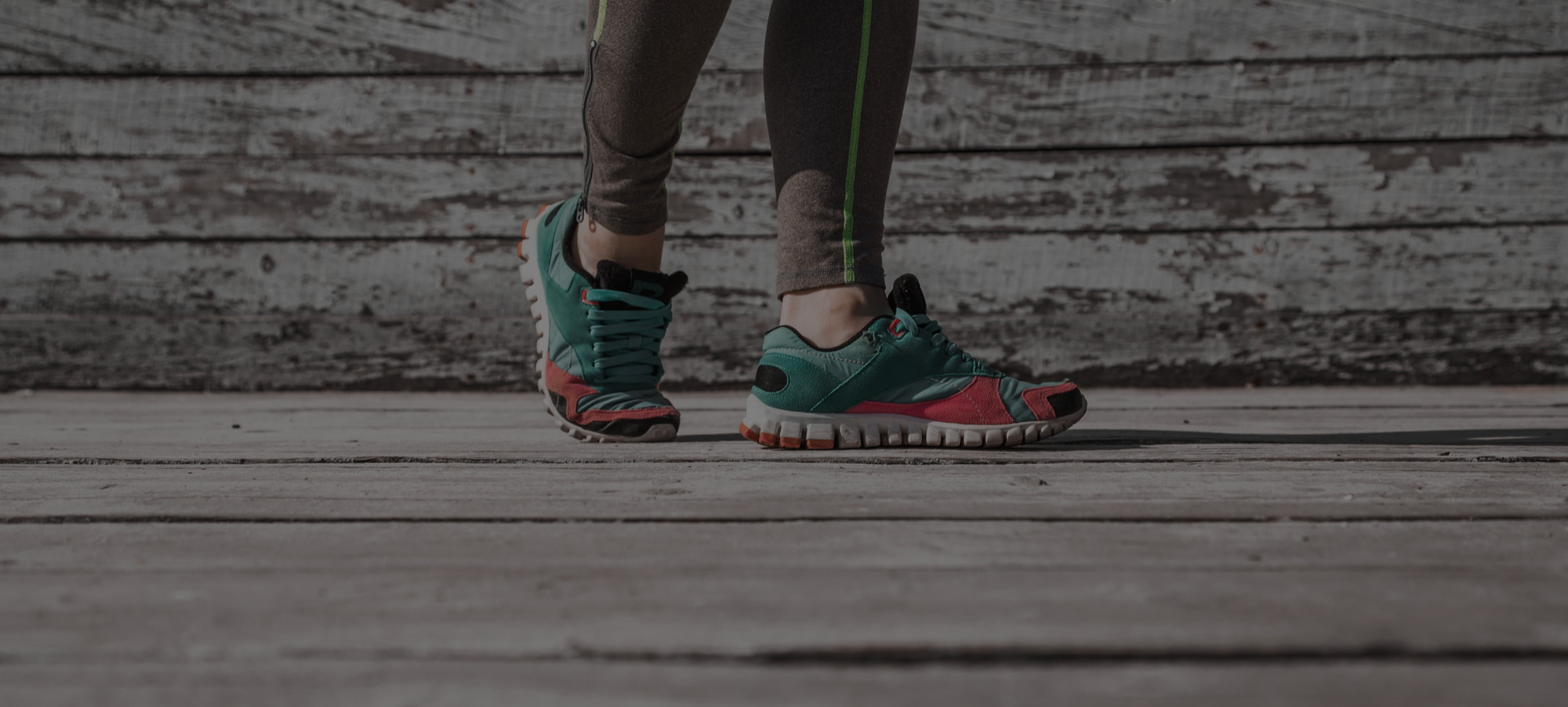
Selecting the best athletic shoes is important for your performance and health not simply for style. Foot pain, joint problems, bad posture, and injuries can result from wearing the wrong athletic shoes. Wearing the right athletic shoes will give you comfort, stability, injury avoidance and peak performance as a professional athlete or fitness enthusiast.
High-quality athletic shoes ensure natural movement, impact absorption, and maintain the correct foot alignment - during physical activities. When chosen appropriately athletic shoes can also enhance confidence and reduce future medical and replacement costs.

Know Your Foot Type
Each foot is unique, and knowing your foot arch type is the first step to selecting the proper athletic footwear.
Types of Foot Arches

1) High Arch (Cavus Foot)
- Reduced absorption of shock
- More prone to injuries from overuse
- More flexibility and cushioning are required.
Recommended for: Shoes with soft midsoles and cushions
2) Medium Arch (Neutral Foot)
- Balanced weight distribution
- Natural pronation
Recommended for: Well-balanced shoes with moderate support and cushioning
3) Flat Feet (Low Arch)
- Excessive inward rolling (overpronation)
- Increased stress on ankles and knees
Recommended for: Shoes with strong arch support and stability features
Choose the Right Footwear for Your Foot Type
-
High arches: cushioned insoles and shock-absorbing midsoles
-
Medium arches: Equally supported, neutral shoes
- Support shoes with stiff arch support and motion control are ideal for flat feet.
Wearing shoes that fit your foot shape might aid with alignment and reduce physical strain when moving.
Understand Your Activity Type

Sports shoes are made for particular movements. Activity-specific sports shoes enhance efficiency and minimize the chances of injuries.
Running Shoes
- High cushioning for shock absorption
- Flexible soles and water-permeable uppers
- Designed for moving ahead
Cross-Training Shoes
- Multi-directional support
- Moderate cushioning and high stability
- Meant for gym exercises and functional training
Basketball Shoes
- High ankle support
- Excellent grip for rapid direction changes
- Shock-absorbing cushioning for jumps
Hiking Boots
- Ankle stability and aggressive grip
- Water-resistant materials
- Meant for uneven terrain and long walks
Shoe Anatomy Explained

- UnInsole: Offers comfort and is removable
- Upper: Breathable material that holds the foot in place
- Midsole: Cushioning material that absorbs shock
- Outsole: Durable base that offers grip and traction
Brand & Model Selection
Well-known brands spend significantly on biomechanics and material studies. Popular sports shoe brands include Nike, Adidas, New Balance, ASICS, Under Armour, and Progressive18.
Although popular brands are in demand, quality sports shoes need not be costly.
Budget and Quality
Not all people are interested in, or need to, spend a lot on global brands. The answer is value, not price.
Progressive18 provides:
- Quality athletic shoes
- Durable materials
- Contemporary designs
- Affordable prices
This makes it a great choice for fitness enthusiasts who want performance without breaking the bank.
Conclusion
A person's comfort, performance, and overall well-being can all be greatly enhanced by buying the right athletic shoes. You can make a smart investment in your health by figuring out what kind of foot you have, selecting the right athletic shoes for your degree of activity, and weighing cost and quality.
You may improve movement efficiency, lower your risk of injury, and meet your fitness goals by wearing the proper athletic shoes.
Upgrade Your Performance—Step Smarter
Frequently Asked Questions
1) How do I determine my foot type?
You can determine your foot type by doing a wet foot test or by looking at the wear pattern on your shoes.
2) Can I wear running shoes for gym exercises?
Running shoes are meant for moving ahead, and they may not have the lateral support required for gym exercises.
3) How frequently should my athletic shoes be replaced?
Every 300 to 500 miles of jogging or when the grip and cushioning deteriorate, you should change your sports shoes.
4) Can I rely on inexpensive athletic footwear?
Yes, companies like Progressive18 are value-driven if they provide adequate support, cushioning, and durability.
- Posted in:
- athletic shoes
- Budget Shoes
- Fitness Gear
- Foot Health
- Footwear Buying Guide
- Gym Shoes
- Injury Prevention
- Running Shoes
- sports shoes